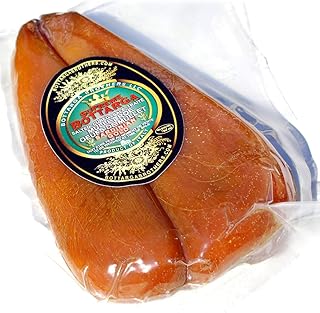
Often referred to as "Sardinian Gold," Bottarga is one of Italy's most treasured and ancient gourmet ingredients. This salted, cured fish roe, with roots deep in Mediterranean tradition, offers an intense, briny, and uniquely savory flavor that has captivated chefs and food enthusiasts worldwide. While its origins are humble, born from the need to preserve the bounty of the sea, today it stands as a symbol of culinary luxury and artisanal craftsmanship.
What Exactly is Bottarga?
At its core, Bottarga is the roe sac of fish, meticulously salted, pressed, and air-dried until it achieves a firm, waxy texture. The process, which can take several weeks, concentrates the flavors, resulting in a product rich in umami—the elusive fifth taste. The two most celebrated types come from the grey mullet (Bottarga di Muggine) and the bluefin tuna (Bottarga di Tonno). Sardinia is renowned for its exquisite grey mullet roe, particularly from the Cabras lagoon, producing products like the esteemed L'Oro di Cabras. Sicily, on the other hand, is famous for its prized Bluefin Tuna Bottarga, which offers a slightly different, often richer flavor profile.
Whole vs. Grated: Choosing Your Format
Bottarga is available in two primary forms, each suited to different uses. The whole roe sac, like the Smeralda Italian Whole Bottarga or the Sanniti Bottarga Cured Mullet Roe, is a beautiful, amber-hued block. It's typically sliced paper-thin with a sharp knife or a mandoline and served as an antipasto, draped over bread with olive oil, or placed on fresh pasta. The whole form preserves the flavor longest and is ideal for those who appreciate the ritual of preparation.
For convenience and ease of use, grated bottarga is a fantastic option. Products like Sardinian Grated Bottarga or Le Mareviglie Grated Bottarga come ready to sprinkle. This format is perfect for finishing dishes—think of it as the ultimate umami flavor booster. A shower of grated bottarga over steaming pasta, risotto, scrambled eggs, or even a simple salad transforms an ordinary meal into a gourmet experience.
Bringing Bottarga into Your Kitchen
The beauty of this gourmet ingredient lies in its versatility. Its primary role is as a finisher, not a cooker. Heat can diminish its complex aroma, so it's always added at the last moment. The classic Spaghetti alla Bottarga is a must-try: simply toss al dente spaghetti with high-quality olive oil, garlic, a pinch of chili flake, and a generous amount of freshly grated bottarga. For a deeper dive into recipes and techniques, our Ultimate Guide to Bottarga offers extensive cooking tips.
Beyond pasta, try it shaved over creamy avocado, mixed into softened butter for a spectacular seafood compound butter, or as a surprising garnish on oysters. Its salty, oceanic punch makes it an exceptional seafood condiment. For those seeking authentic taste, the "Sardinian Gold" Authentic Sardinian Bottarga comes in Kosher-certified options, making it accessible for more dietary traditions while guaranteeing top quality.
Selecting and Storing Your Gourmet Treasure
When selecting whole bottarga, look for a firm, dry texture with a consistent color and a pleasant marine scent—no strong fishy odor. It should feel heavy for its size. Once opened, wrap it tightly in parchment paper and then in foil, storing it in the refrigerator. Properly stored, it can last for months. Grated bottarga should be kept in an airtight container in the fridge to preserve its potency.
Whether you're a seasoned gourmand or new to Italian delicacies, incorporating bottarga is an adventure in flavor. From the whole Bottarga di Muggine to the convenient grated jars, each form offers a gateway to the rich tastes of Sardinian cuisine. Explore our detailed guide on selecting and enjoying premium Italian grey mullet roe to become a true connoisseur of this remarkable premium seafood.